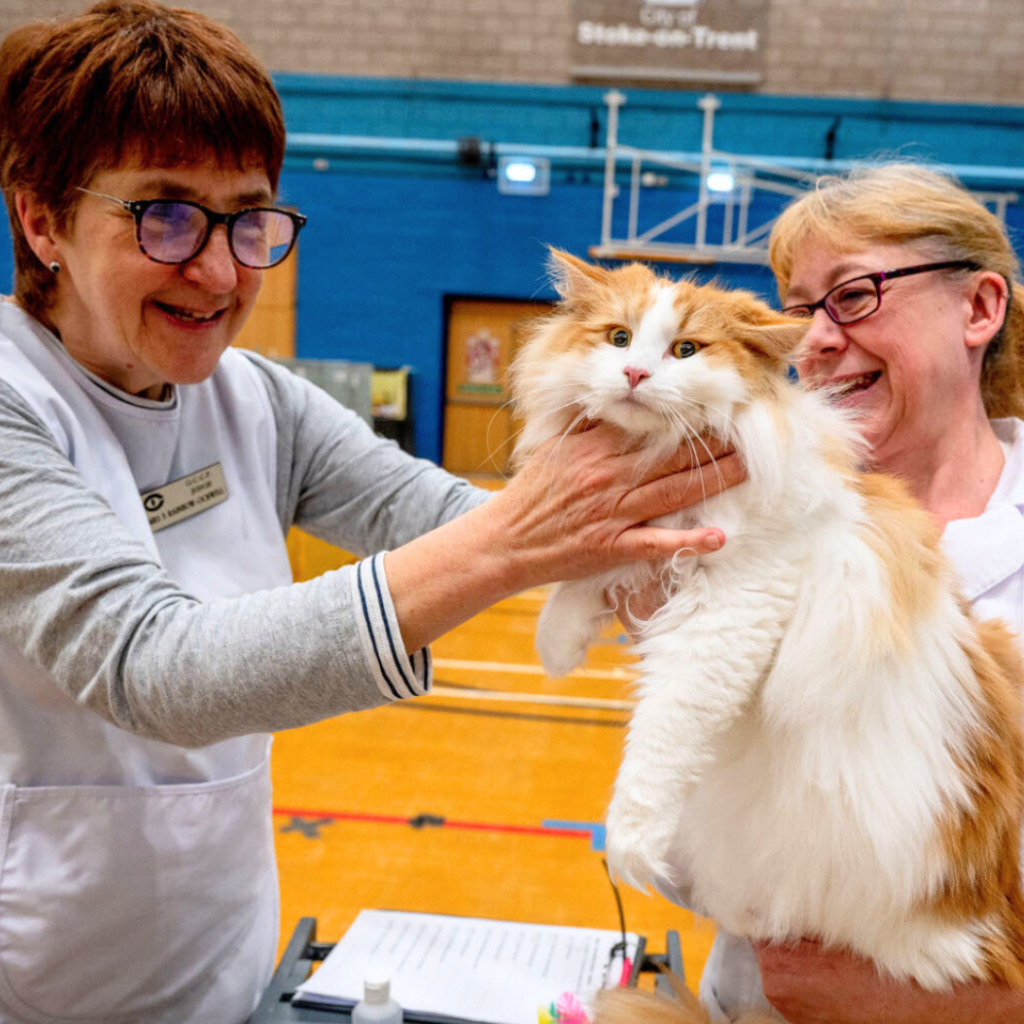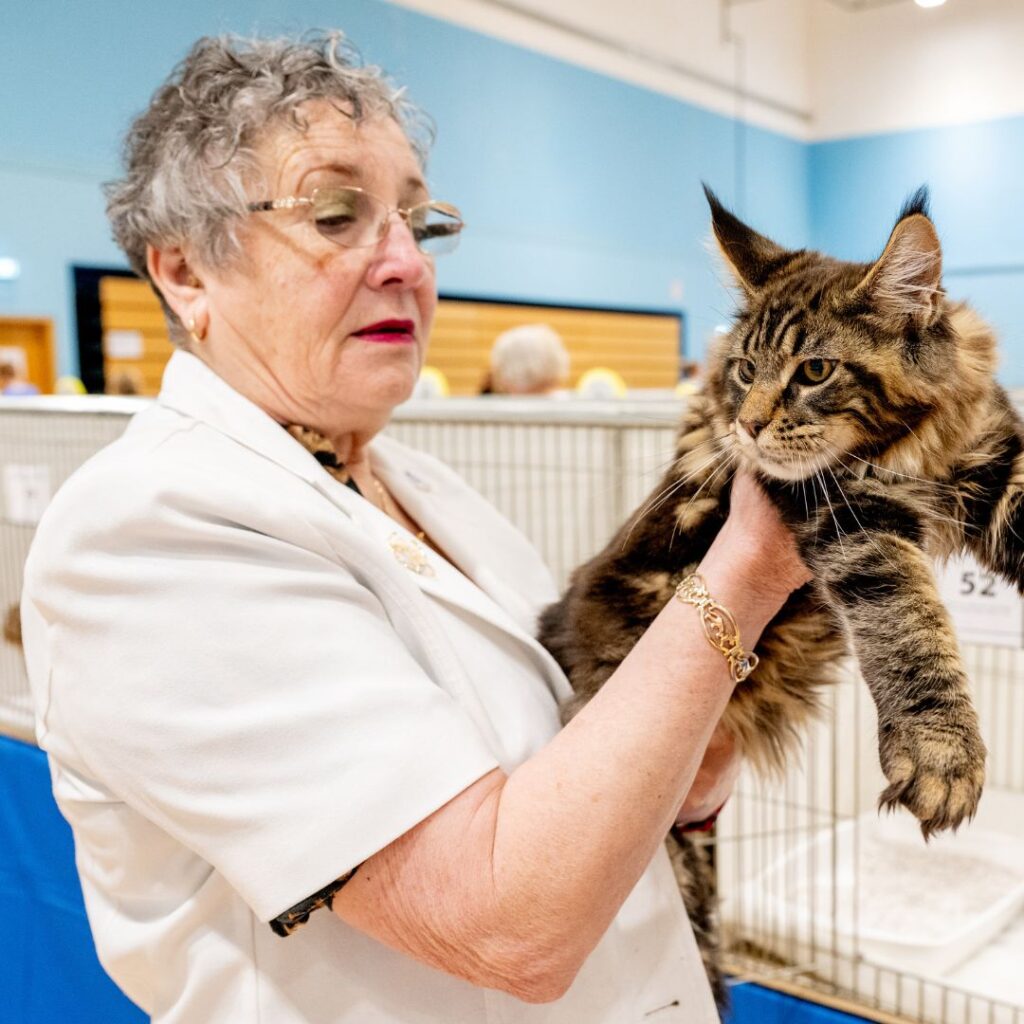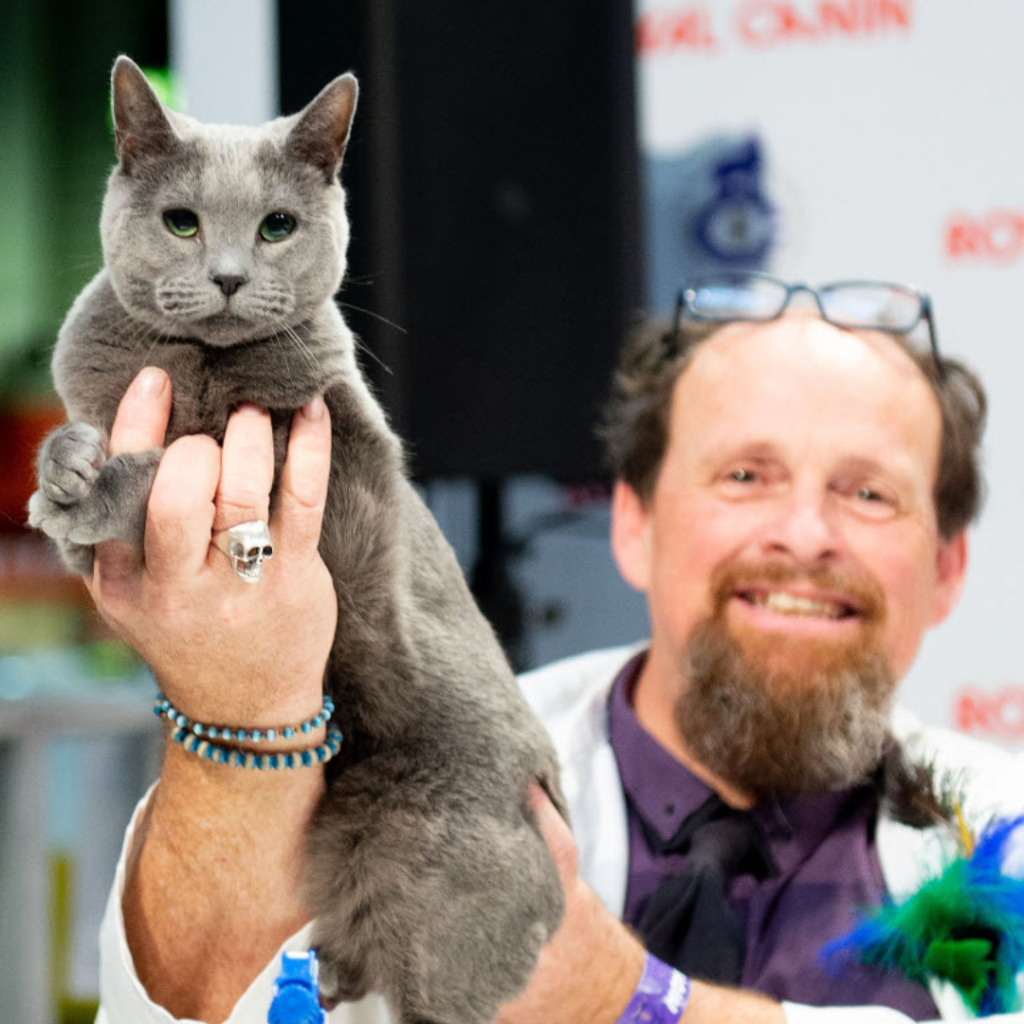
A Companion Guide for Student Judges, Junior Judges and Speciality Breed Judge Candidates
Important Note
This article is intended as a companion guide to support Student Judges, Junior Judges and Speciality Breed Judge candidates, as well as Full Judges who provide tutorials, in understanding how tutorials work within the GCCF Judge Training Programme.
It does not replace, override or contradict the GCCF Judge Training Programme document or the Judging Programme Governance and Administration document. Those documents remain the formal authority in all cases.
The purpose of this guide is to explain the tutorial process in practical terms and to help candidates understand how tutorials contribute to their development as judges.
What Is a Tutorial?
A tutorial is a structured learning session led by a Full Judge.
It provides an opportunity for candidates to examine exhibits and discuss how those cats relate to the Standard for the breed. Through this discussion, candidates develop their understanding of the many attributes that contribute to the overall quality of a cat. These include breed type and balance, coat texture and condition, colour, pattern and presentation.
A tutorial is designed to support learning. It allows candidates to explore the Standard in greater depth, discuss what they observe and benefit from the experience of an established judge.
A tutorial is not a pass-or-fail assessment. It is a developmental session intended to help candidates build knowledge, confidence and practical judging skills.
Before You Ask for a Tutorial
A tutorial should not be viewed simply as something to complete in order to progress through the training programme.
The purpose of a tutorial is to improve understanding of the breed and the judging process. Candidates will gain the greatest benefit when they approach tutorials as opportunities to learn and develop rather than as requirements to be completed.
Spending some time reading the Standard beforehand can help make the discussion more meaningful. However, candidates are not expected to arrive with perfect knowledge. Tutorials are part of the learning journey and are intended to help develop understanding through discussion with an experienced judge.
It is also helpful to consider tutorials alongside presentations. Tutorials focus on practical learning with exhibits, while presentations allow candidates to demonstrate and gauge how their understanding of the breed is developing.
Approaching tutorials as part of a broader learning process will provide far greater benefit than treating them as administrative steps.
Who Conducts a Tutorial?
A tutorial may be conducted by any Full Judge of the relevant breed.
Unlike Final Assessments, the judge does not need to be on a preferred list.
The Full Judge must:
- be eligible to judge the breed concerned
- agree in advance to conduct the tutorial
- be officially participating at the show or seminar where the tutorial takes place
Tutorials may take place:
- at a licensed GCCF show
- at an approved seminar
The candidate does not need to be contracted to judge or steward in order to undertake a tutorial. Attendance for the purpose of a properly arranged tutorial is acceptable.
How many tutorials with the same Full Judge may count towards your minimum requirement depends on your stage of training:
- Student Judges — the programme sets no limit on tutorials taken with the same Full Judge, although variety of experience is encouraged.
- Speciality (Single) Breed Judge (Provisional) — the two required Teaching & Learning tutorials must be with two different Full Judges from the JPG’s preferred list.
- Junior Judges — only one tutorial from any one Full Judge counts towards the three-per-breed requirement. A JPG may require a further tutorial and report with a named judge, to check that advice given has been acted upon.
Candidates may always undertake additional tutorials with the same judge if they wish. These are valuable further learning, but do not contribute to the minimum requirement.
Arranging a Tutorial
Tutorials should always be arranged in advance with a suitable Full Judge.
Candidates are encouraged to contact a Full Judge ahead of the show or seminar where the tutorial is expected to take place. This allows both parties to confirm that the tutorial is practical and that suitable exhibits are likely to be available.
The Show Manager or Seminar Leader should also be aware that a tutorial will take place.
Planning tutorials in advance helps ensure that they can be conducted in a calm and productive way without disrupting judging or the normal running of the event.
Candidates should avoid requesting tutorials on the day of the show unless this has already been agreed.
How Many Exhibits Are Used in a Tutorial?
There is no fixed number of exhibits required for a tutorial.
The purpose of the session is discussion and learning rather than examining a particular number of cats.
Some tutorials may focus on a small number of exhibits in considerable detail. Others may involve a wider group of cats so that comparisons can be made between different examples of the breed.
The number of exhibits used will depend on what is available at the show or seminar and how the Full Judge wishes to structure the discussion.
How Are Exhibits Chosen?
The exhibits used in a tutorial are selected by the Full Judge conducting the session.
The cats must simply be present at the show or seminar. They do not need to be in the judge’s book or the candidate’s judging book.
The Full Judge will normally select exhibits that provide useful learning opportunities. These may include cats that demonstrate good examples of breed type as well as exhibits that illustrate differences in balance, coat quality, colour, pattern or condition.
Exhibits may come from any appropriate section of the show, including kittens, adults or neuters, provided they are suitable examples for discussion.
The aim is not to examine a particular number of cats but to provide a meaningful opportunity to explore how the Standard is applied in practice.
When Should a Tutorial Take Place?
Tutorials should be arranged so that they do not interfere with judging or the normal running of the show.
The Training Programme does not require tutorials to take place at a specific time during the show day. The timing will depend on practical considerations such as the judging schedule, the availability of exhibits and the availability of the Full Judge conducting the tutorial.
At seminars, tutorials will normally take place at times arranged by the seminar organisers.
Planning tutorials in advance helps ensure that they can take place smoothly and without disruption.
What Happens During a Tutorial?
The tutorial is led by the Full Judge.
The session normally involves examining exhibits and discussing how those cats relate to the Standard. The Full Judge may draw attention to important breed characteristics, highlight strengths and weaknesses and explain how different attributes contribute to the overall impression of the cat.
Discussion may include:
- identifying key breed characteristics
- recognising strengths and weaknesses
- comparing exhibits to understand differences in type or balance
- discussing coat quality, colour, pattern and presentation
Candidates are encouraged to offer their observations and opinions during the discussion. The Full Judge guides the conversation and provides explanation based on their experience of judging the breed.
Constructive feedback is an important part of the process and helps candidates refine their understanding.
Typical Tutorial Flow
While each Full Judge may conduct tutorials slightly differently, a typical tutorial may follow a structure similar to the following:
- Introduction
The Full Judge may briefly explain which exhibits will be examined and what aspects of the breed will be discussed. - Examination of exhibits
The candidate and the Full Judge examine the selected cats together. The candidate may be invited to comment on what they observe in relation to the Standard. - Discussion and comparison
The judge guides the discussion, highlighting important points of type, balance, coat, colour or pattern. - Exploring different viewpoints
The judge may challenge the candidate’s observations or offer alternative interpretations of the Standard. - Summary and feedback
The session usually concludes with guidance and feedback to help the candidate continue developing their understanding.
The Mentoring Role of the Full Judge
Full Judges play an important mentoring role within the judging programme.
During a tutorial the judge is not assessing the candidate but guiding their development. By sharing experience and explaining how the Standard is interpreted in practice, the Full Judge helps candidates build confidence and deepen their understanding of the breed.
Candidates are encouraged to ask questions and make full use of the opportunity to learn from an experienced judge.
Written Work and Recording
Following the tutorial, candidates prepare written critiques of the exhibits discussed.
These critiques form part of the candidate’s training record and are submitted to the JPG in accordance with the requirements of the training programme.
Both the candidate and the Full Judge complete the relevant tutorial forms, which are also submitted to the JPG.
Although there is no formal requirement within a tutorial to record placings or award levels, some candidates find it helpful to note how they might order the exhibits. Structured thinking of this kind can support learning and provide useful insight for the JPG when reviewing progress.
How Tutorials Differ from Presentations
Tutorials and presentations serve different purposes within the training programme.
A tutorial is practical and exhibit-based. It focuses on examining cats and discussing their strengths and weaknesses in relation to the Standard.
A presentation is candidate-led and research-based. It allows candidates to demonstrate their understanding of the breed and explain key aspects of the Standard.
Tutorials help develop knowledge and judgement, while presentations help demonstrate how that knowledge is developing.
Further information about presentations can be found here:
https://www.gccftraining.org/presentations-learn-what-is-involved/
How Tutorials Differ from Parallel Judging
In parallel judging, a Student Judge judges a whole breed class independently, alongside the Full Judge officiating that class. They handle the same exhibits and record their own notes, placings and awards, then compare their decisions with the Full Judge’s once the class is finished.
It is an independent judging exercise rather than a teaching discussion.
A tutorial is more structured and interactive. It involves direct discussion with a Full Judge and the preparation of written critiques that form part of the candidate’s training record.
Both activities contribute to learning, but they serve different purposes within the training programme.
Professional Conduct
Professional conduct is expected throughout a tutorial.
Exhibitors and their cats must be treated with respect. Discussion should remain constructive and professional, recognising that the purpose of the tutorial is to improve understanding and judgement.
Tutorials form part of a candidate’s development as a judge, and the approach taken reflects their commitment to learning and professionalism within the GCCF judging programme.
Frequently Asked Questions
Is a tutorial a test?
No. Tutorials are learning sessions designed to develop understanding and judgement.
Can a tutorial be failed?
There is no pass or fail outcome. Tutorials provide guidance and feedback to support development.
Do I have to record placings or awards?
There is no formal requirement to do so within a tutorial, although some candidates find it helpful when reflecting on their observations.
Do I have to be judging or stewarding at the show?
No. Candidates may attend the show specifically to undertake a tutorial, provided it has been arranged in advance. A candidate must not rely on this approach for all their tutorials.
Can tutorials take place at seminars?
Yes. Tutorials may be conducted at approved seminars as well as at licensed shows.
Are tutorials the same as Final Assessments?
No. Tutorials are developmental learning sessions. Final Assessments are formal evaluations of readiness to progress within the judging programme.