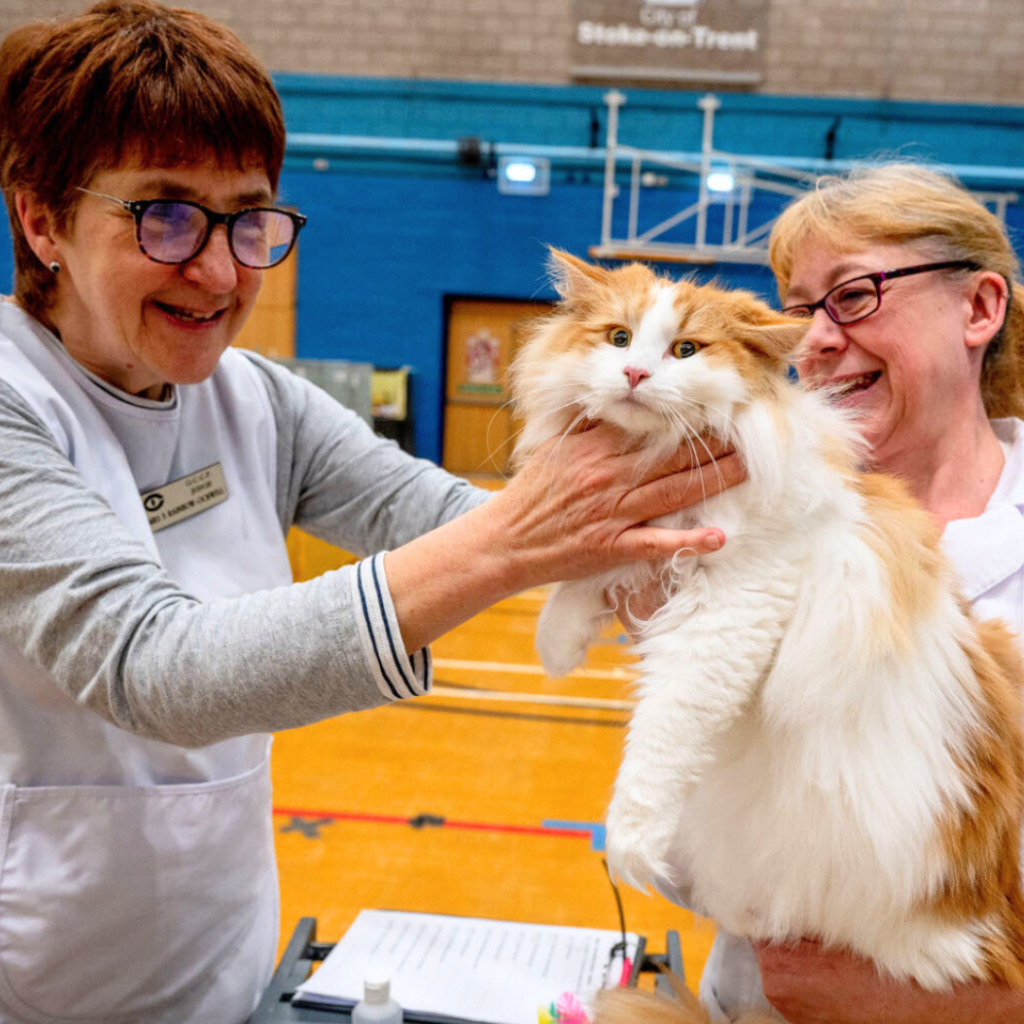
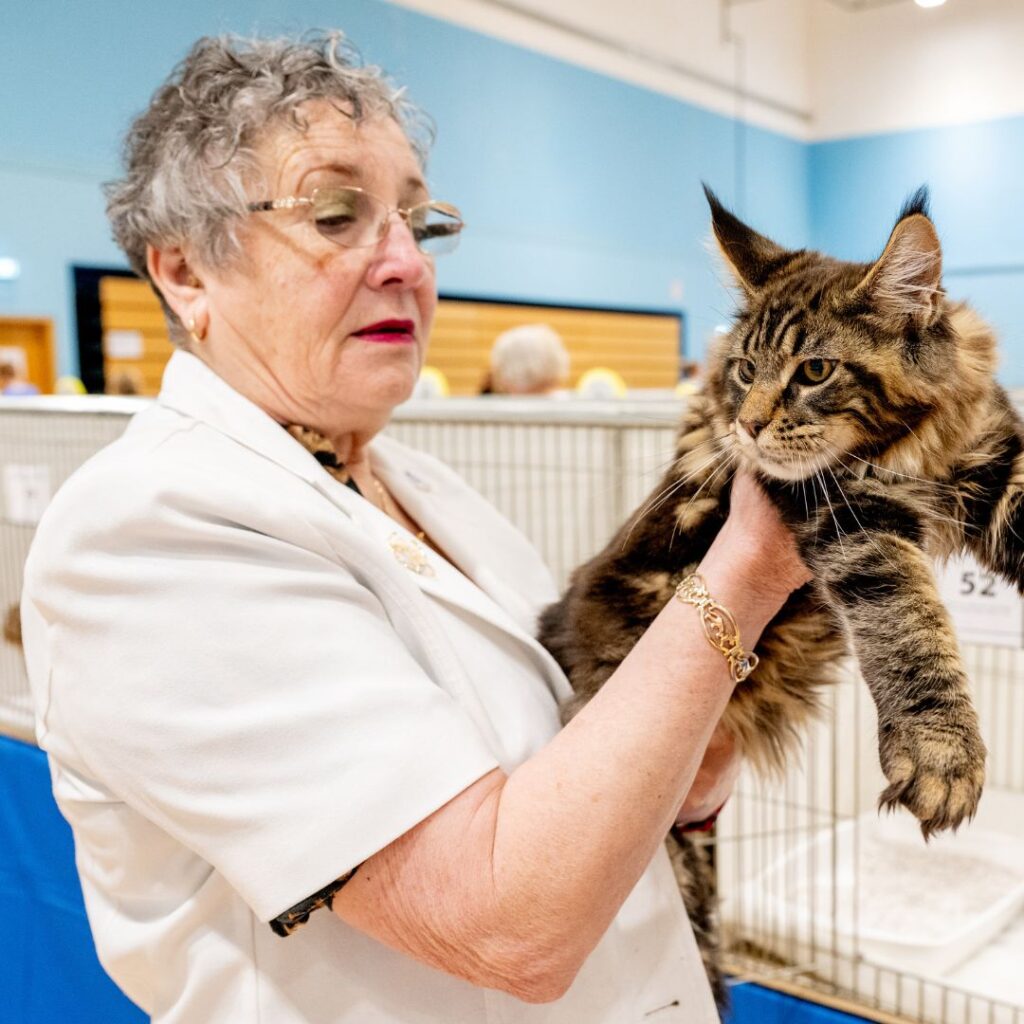
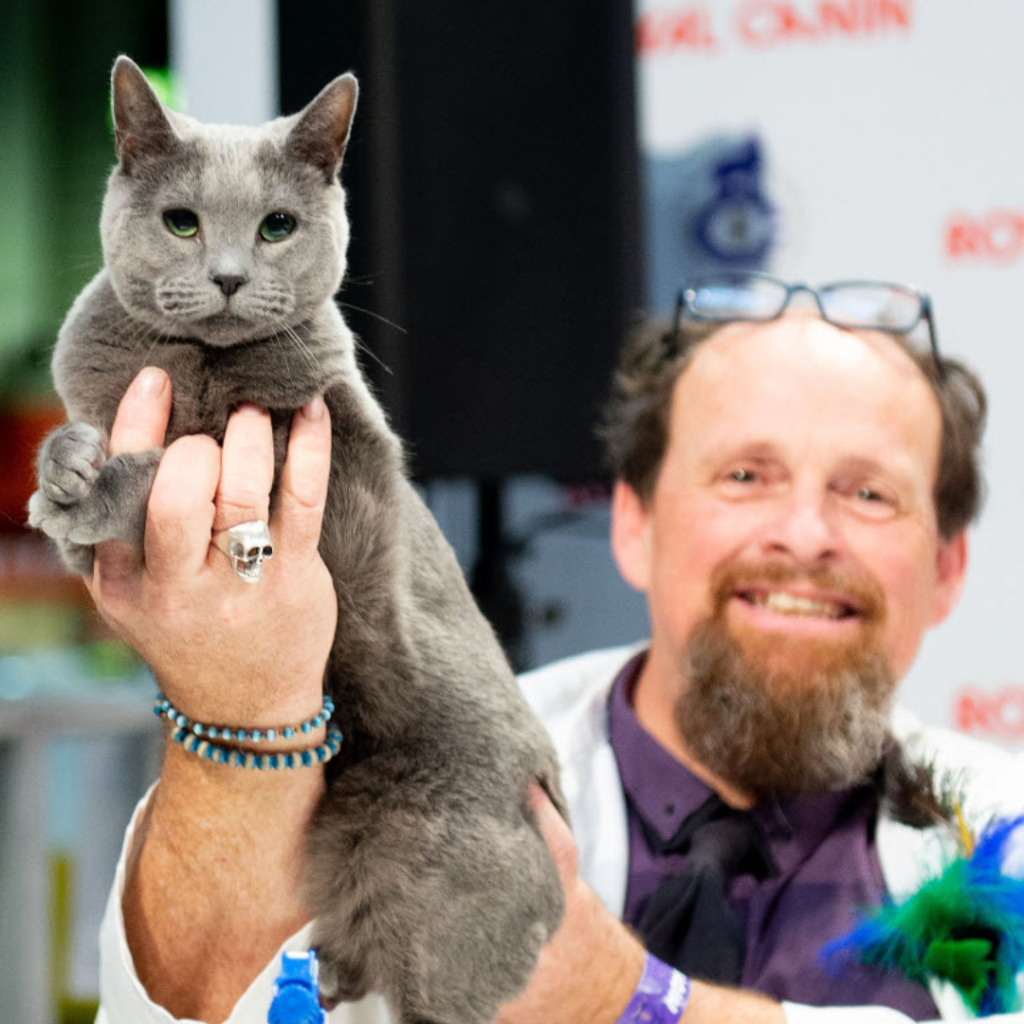
Parallel judging is a recognised training activity within the GCCF Judge Training Programme.
It allows a Student Judge to judge cats under the supervision of a Full Judge, in real show conditions, without affecting the official results of the show.
This article provides practical guidance for Student Judges, Full Judges, and JPG officers. It should be read alongside the official Judge Training documents published by the Governing Council of the Cat Fancy, which remain the definitive source.
GCCF Judge Training Document (V11)
Who Can Undertake Parallel Judging
Parallel judging is undertaken only by Student Judges.
It does not apply to:
- Junior Judges
- Speciality (Single) Breed Judges
Parallel judging forms part of the Judge Training Programme and contributes to the experience considered when progression is reviewed.
Which Cats Are Used
Parallel judging uses cats from a Full Judge’s breed classes.
For each parallel judging engagement:
- The Full Judge selects one breed class
- The Student Judge judges that single breed class
- The Student Judge judges the same exhibits as the Full Judge
The Student Judge does not choose the class. The selection is made by the Full Judge to ensure the class is appropriate for training and supervision. The level of supervision is decided by the tutor judge.
Class Size
There is no minimum number of cats specified for a breed class used for parallel judging.
A small class does not invalidate parallel judging. What matters is that the class is a genuine breed class judged by a Full Judge and that the Student Judge judges the same exhibits in parallel.
Over time, a range of class sizes may naturally provide broader experience, but this is not a requirement.
Kittens, Cats, and Neuters
Parallel judging is not restricted to kitten classes.
The breed class selected may include:
- Kittens
- Adult cats
- Neuters
Any of these are acceptable, provided they form part of the Full Judge’s breed classes. The suitability of the class is a matter for the supervising Full Judge.
One Show and Multiple Parallel Judgings
A Student Judge may undertake more than one parallel judging at the same show.
Each parallel judging is treated as a separate engagement, meaning:
- One breed class
- One supervising Full Judge
- One set of reports and placings
For example, a Student Judge may parallel judge one breed class under one Full Judge and a different breed class under another Full Judge at the same show. Each engagement is written up and submitted separately.
How Parallel Judging Works in Practice
Parallel judging follows a structured process.
During judging:
The Full Judge also decides whether the Student Judge judges independently at a distance or works alongside them during the judging process. Either approach is acceptable and reflects the Full Judge’s judgement of what best supports learning and supervision.
- The Student Judge judges independently
- The Full Judge judges independently
- Notes, placings, and awards are recorded separately
- No discussion takes place during judging
Once judging of the selected breed class is complete, discussion may then take place. This discussion focuses on placings, awards, and reasoning and forms part of the learning process.
Parallel judging does not affect official show results.
Engagement and Show Roles
A Student Judge does not need to be officially engaged to steward specifically for the Full Judge they are parallel judging with.
Parallel judging may take place while the Student Judge is:
- Stewarding for the supervising Full Judge
- Stewarding for a different judge at the same show
- Judging miscellaneous or club classes
The key requirement is that the Full Judge agrees to supervise the parallel judging and that the Show Manager is aware in advance.
Forms and Administration
There is no specific form for parallel judging.
This differs from:
- Tutorials
- Presentations
- Assessments
Even though no form is required, written reports must still be submitted.
Reports and Placings
After the show, the Student Judge submits:
- Written reports
- Placings
Each submission must clearly state:
- That it relates to parallel judging
- The breed class judged
- The supervising Full Judge
- The show name and date
Where more than one parallel judging takes place at the same show, each must be clearly identified and submitted separately.
Reports from parallel judging are considered alongside other required reports within the Judge Training Programme.
The Role of the Full Judge
The Full Judge supports learning while maintaining professional boundaries.
This includes:
- Selecting the breed class
- Confirming the class is suitable for training
- Allowing access to the judging book for that class
- Taking part in post-judging discussion
The Full Judge does not:
- Coach during judging
- Influence placings
- Alter their own results
Parallel judging is a learning exercise, not an assessment.
What the JPG Should Check
When reviewing submissions, the JPG should confirm that:
- The candidate was properly engaged at the show, either as a steward or to judge miscellaneous or club classes
- Each parallel judging covered one breed class
- Each engagement was supervised by a Full Judge
- Reports are clearly labelled as parallel judging
- Multiple parallel judgings at one show are submitted separately
This supports a clear and consistent check that the published criteria have been met.
Building Experience Over Time
Parallel judging supports progressive development.
While the Judge Training Programme does not restrict parallel judging to a specific number of shows or classes, experience is strongest when it is gained:
- Across different shows
- Under more than one Full Judge
- With exposure to a range of class sizes and exhibit types
Progression from Student Judge to Junior Judge is automatic on application once the published criteria have been met. The role of the JPG Secretary is to confirm that those criteria have been satisfied.
While the Judge Training Programme does not restrict where or when parallel judging takes place, gaining experience across different shows, judges, and class types supports broader development and prepares candidates for later stages of training.
Further Guidance
This article is a guide only.
You should always refer to:
- The Judge Training Programme
- The Judging Programme Governance and Administration document
These documents contain the full criteria, definitions, and governance that apply to parallel judging within the GCCF Judge Training framework. You can download the up to date versions of these documents here.
What is parallel judging?
Parallel judging is a supervised training activity where a Student Judge judges the same breed class as a Full Judge, independently and without affecting the official show results.
Who can undertake parallel judging?
Only Student Judges undertake parallel judging as part of the Judge Training Programme. Junior Judges and Speciality (Single) Breed Judges do not undertake parallel judging.
Does the Student Judge choose the breed class?
No.
The Full Judge selects the breed class to be used for parallel judging. This ensures the class is suitable for the Student Judge’s stage of training and allows proper supervision.
Is there a minimum number of cats required in the class?
No.
There is no minimum number of cats specified for a breed class used for parallel judging.
A small class does not invalidate parallel judging, provided it is a genuine breed class judged by a Full Judge and the Student Judge judges the same exhibits.
Do the cats have to be kittens?
No.
Parallel judging may take place on any breed class, including:
– Kittens
– Adult cats
– Neuters
The choice of class is a matter for the supervising Full Judge.
Can I do more than one parallel judging at the same show?
Yes.
You may undertake more than one parallel judging at the same show, provided each one is treated as a separate engagement, with:
– One breed class
– One supervising Full Judge
– One set of reports and placings
Each must be written up and submitted separately.
It is strongly advised that the limit should be no more than two parallel judging opportunities should be undertaken at any one event, this will enhance your learning experience.
Do I have to steward for the Full Judge I am parallel judging with?
No.
You may be:
– Stewarding for the supervising Full Judge
– Stewarding for a different judge
– Judging miscellaneous or club classes
The key requirement is that you are properly engaged at the show and the Full Judge agrees to supervise the parallel judging.
Is there a form to complete for parallel judging?
No.
There is no specific form for parallel judging.
You submit written reports and placings instead.
What do I need to include when submitting reports?
Your submission should clearly state:
– That the reports relate to parallel judging
– The breed class judged
– The supervising Full Judge
– The show name and date
If more than one parallel judging took place at the same show, each must be submitted separately.
Does parallel judging affect show results?
No.
Parallel judging has no impact on official placings or awards.
Can all my parallel judging be done at one show?
The Judge Training Programme does not prohibit this.
That said, experience is strongest when it is built over time, across different shows, judges, and class types. JPGs look at the overall pattern of training rather than a single event.
How do JPGs assess parallel judging?
JPGs consider:
– Whether the correct process was followed
– Whether reports are clearly labelled and complete
– The overall pattern of experience and development
No single parallel judging is assessed in isolation.